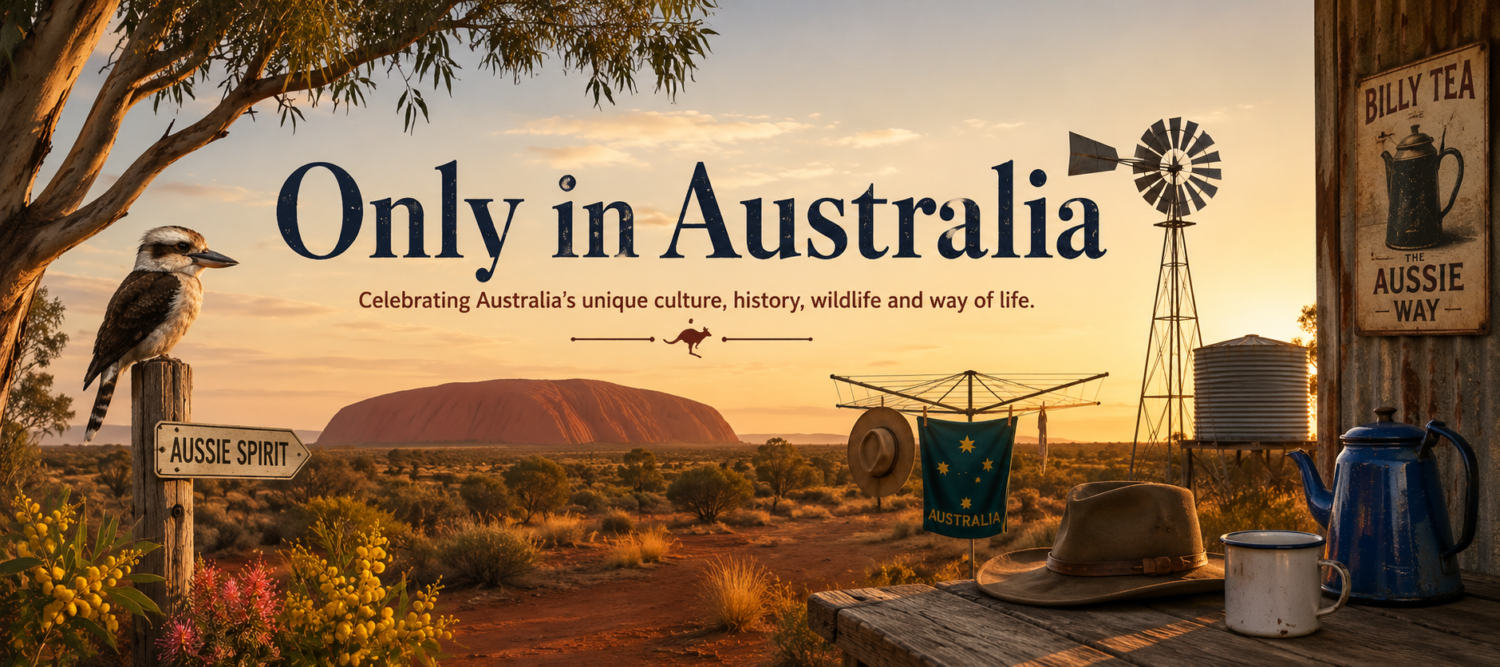

Australia is a land of natural wonders, and its birds represent some of the most unique and fascinating creatures in the world. With over 800 species, Australia is home to more bird species than any other developed country, making it a birdwatcher’s paradise. In this article, we’ll explore some of the incredible birds that call Australia home.
Kookaburra – Australia’s Laughing Bird

The Kookaburra is one of Australia’s most recognisable birds, famous for its loud, laughing call that echoes through the bush at dawn and dusk. The most common species is the Laughing Kookaburra, found across eastern Australia and in many towns, parks, and backyards.
Growing to around 45 centimetres in length, the Kookaburra is the world’s largest kingfisher. Despite belonging to the kingfisher family, it spends much of its time away from water, hunting insects, lizards, snakes, small mammals, and even other birds from a favourite perch.
Kookaburras are highly social and often live in family groups, with older offspring helping to raise younger chicks. Their distinctive call is used to establish territory and communicate with other family members.
With its large head, powerful beak, and unmistakable laugh, the Kookaburra has become a symbol of the Australian bush. Its cheerful call is a sound that many Australians instantly associate with home and the great outdoors.
Emu – Australia’s Giant Flightless Bird

The Emu is Australia’s largest native bird and the second-largest bird in the world, surpassed only by the ostrich. Standing up to 1.9 metres tall, these impressive birds are found across most of mainland Australia, from open grasslands and woodlands to semi-arid regions.
Although Emus cannot fly, they are powerful runners capable of reaching speeds of around 50 kilometres per hour. Their long legs and strong muscles allow them to cover vast distances in search of food and water. Emus are omnivores, feeding on seeds, fruits, flowers, insects, and small animals.
One of the most fascinating facts about Emus is that the male takes responsibility for incubating the eggs and raising the chicks. After the female lays a clutch of large dark-green eggs, the male sits on them for about eight weeks, rarely eating or drinking.
Featured on Australia’s coat of arms, the Emu symbolises progress and resilience. Its ability to thrive in harsh conditions makes it a true icon of the Australian landscape.
Wedge-tailed Eagle – Australia’s Largest Bird of Prey

The Wedge-tailed Eagle is Australia’s largest bird of prey and one of the country’s most impressive native animals. With a wingspan that can exceed 2.5 metres, this magnificent eagle is found throughout mainland Australia and Tasmania, soaring high above forests, grasslands, deserts, and mountain ranges.
Named for its distinctive wedge-shaped tail, the eagle is a skilled hunter with exceptional eyesight. It can spot prey from great distances and feeds on rabbits, small mammals, reptiles, birds, and carrion. Wedge-tailed Eagles often soar for hours on rising air currents with barely a wingbeat.
These powerful birds build enormous nests from sticks, usually high in tall trees or on cliff ledges. Some nests are used and added to year after year, becoming several metres wide.
The Wedge-tailed Eagle is a symbol of strength, freedom, and the Australian wilderness. Watching one glide effortlessly across the sky is a memorable sight and a reminder of Australia’s remarkable wildlife heritage.
Galah – Australia’s Pink and Grey Favourite

The Galah is one of Australia’s most recognisable and beloved native birds. Known for its striking pink chest and face, contrasted with soft grey wings and back, the Galah is found across most of Australia, from rural farmlands and open woodlands to suburban parks and gardens.
Growing to around 35 centimetres in length, Galahs are highly social birds that often gather in large, noisy flocks. Their playful personalities and acrobatic antics make them a favourite among birdwatchers. It is common to see Galahs hanging upside down from branches, playing with one another, or feeding together on the ground.
Their diet consists mainly of seeds, grasses, fruits, berries, and insects. Galahs form strong pair bonds and often remain with the same mate for life. They nest in tree hollows where both parents help raise the young.
The Galah’s intelligence, adaptability, and colourful appearance have made it an enduring symbol of Australian wildlife. Its cheerful presence brings colour and character to landscapes across the country.
Rainbow Lorikeet – Australia’s Colourful Acrobat

The Rainbow Lorikeet is one of Australia’s most vibrant and easily recognised birds. With its brilliant blue head, bright green wings, orange-yellow chest, and red beak, this colourful parrot adds a splash of colour wherever it appears. Rainbow Lorikeets are commonly found along Australia’s eastern and northern coastlines, thriving in forests, woodlands, parks, and suburban gardens.
Growing to about 30 centimetres in length, these energetic birds are highly social and often travel in noisy flocks. Their loud chatter and playful behaviour make them a familiar sight in many Australian towns and cities.
Unlike many parrots, Rainbow Lorikeets primarily feed on nectar and pollen from flowering trees such as eucalypts and bottlebrushes. Their specially adapted brush-tipped tongues help them collect food efficiently. They also eat fruits, seeds, and berries.
Rainbow Lorikeets usually nest in tree hollows and form strong pair bonds. Their intelligence, beauty, and lively personalities have made them one of Australia’s most popular native birds and a favourite among wildlife enthusiasts.
Superb Fairy-Wren – Australia’s Tiny Blue Jewel

The Superb Fairy-wren is one of Australia’s most charming and colourful native birds. Despite its tiny size, measuring only about 14 centimetres in length, the male’s brilliant electric-blue feathers during the breeding season make it impossible to miss. Females and young birds are less colourful, displaying soft brown plumage that helps them blend into their surroundings.
Superb Fairy-wrens are found throughout south-eastern Australia, living in gardens, parks, forests, and shrublands. They are active and curious birds, often seen darting through low bushes with their long tails held upright.
Their diet consists mainly of insects, spiders, and other small invertebrates, which they hunt among leaves and undergrowth. These birds live in family groups and are highly social, communicating with a variety of calls and songs.
Although small, Superb Fairy-wrens are remarkably resilient and adaptable. Their vivid colours, energetic behaviour, and cheerful presence have made them a favourite among birdwatchers and one of Australia’s most beloved native birds.
Sulphur-crested Cockatoo – Australia’s Noisy White Entertainer

The Sulphur-crested Cockatoo is one of Australia’s most recognisable and charismatic birds. Instantly identified by its brilliant white feathers and striking yellow crest, this large parrot is found across eastern and northern Australia in forests, woodlands, farmland, and urban areas.
Growing up to 50 centimetres in length, Sulphur-crested Cockatoos are highly intelligent and social birds. They are often seen in noisy flocks, filling the air with their loud screeches as they fly between feeding and roosting sites. Their playful nature and curiosity have made them a favourite among Australians.
These cockatoos feed on seeds, nuts, fruits, roots, and insects, often foraging on the ground. Their strong beaks allow them to crack hard nuts and even chew through timber. They nest in tree hollows, where both parents help raise their young.
Known for their intelligence, problem-solving abilities, and mischievous behaviour, Sulphur-crested Cockatoos have adapted well to modern life and remain one of Australia’s most iconic and entertaining native birds.
Tawny Frogmouth – Master of Camouflage

The Tawny Frogmouth is one of Australia’s most fascinating and well-camouflaged birds. Often mistaken for an owl, it actually belongs to a different group of birds known as nightjars. Found throughout Australia, Tawny Frogmouths inhabit forests, woodlands, parks, and even suburban gardens.
Growing to around 50 centimetres in length, these birds are famous for their remarkable camouflage. During the day, they perch motionless on tree branches with their eyes nearly closed and bodies stretched upright, resembling a broken tree limb. This clever disguise helps protect them from predators.
Tawny Frogmouths are nocturnal hunters, becoming active after sunset. They feed on insects, spiders, worms, small reptiles, frogs, and occasionally small mammals. Unlike owls, which catch prey with their talons, Tawny Frogmouths use their wide, frog-like mouths to snatch food.
Mated pairs often remain together for life and share the responsibility of raising their young. With its unique appearance, haunting calls, and incredible camouflage, the Tawny Frogmouth is one of Australia’s most intriguing native birds.
Australian Pelican – The Bird with the Giant Bill

The Australian Pelican is one of Australia’s most distinctive waterbirds, easily recognised by its enormous bill and large white-and-black body. Found throughout Australia on rivers, lakes, estuaries, wetlands, and coastal waters, it is one of the country’s most widespread native birds.
Growing up to 1.8 metres in length with a wingspan exceeding 2.5 metres, the Australian Pelican is among the largest flying birds in Australia. Its remarkable bill can reach almost 50 centimetres long and is the longest bill of any living bird. The large pouch beneath the bill is used to scoop up fish and drain away water before swallowing its catch.
Australian Pelicans are highly social birds and often gather in groups to feed. They may work together to herd fish into shallow water, making them easier to catch.
Strong and graceful in flight, pelicans can soar for hours using rising air currents. Their impressive size, unique appearance, and elegant movements make the Australian Pelican one of Australia’s most memorable and iconic waterbirds.
Australian Magpie – Australia’s Famous Songbird

The Australian Magpie is one of Australia’s most well-known and admired native birds. Recognised by its distinctive black-and-white plumage and beautiful, flute-like song, the magpie is found across much of the country in parks, farmland, forests, and suburban neighbourhoods.
Growing to around 40 centimetres in length, Australian Magpies are highly intelligent birds with excellent memories and complex social behaviours. They live in family groups and establish territories that they defend throughout the year. Their rich and varied calls are considered among the most beautiful bird songs in the world.
Magpies feed mainly on insects, worms, spiders, and small creatures found on the ground. They are often seen walking confidently across lawns and open fields while searching for food.
During the breeding season, some magpies become protective of their nests and may swoop people who venture too close. Despite this reputation, most Australians have a fondness for these birds. Their intelligence, striking appearance, and unforgettable song have made the Australian Magpie a true icon of the Australian landscape.
Australia is home to an incredible array of bird species, each with its unique characteristics and behaviours. Whether you’re a bird enthusiast or just a curious traveller, exploring Australia’s diverse birdlife is an unforgettable experience.